I don’t know exactly what I was doing when Superliminal was first released back in 2019 (probably playing and dropping and loving and hating Fallout 76), but I do remember that it quickly gathered some amount of fame for being a very good and very different puzzle game. For a while after, it was wedged in my mind as something to try at some point. Only then, the bottom fell out of the world in March 2020, and my priorities, along with those of everyone else, shifted…to say the least. As far as gaming went, one personal priority that fell away was puzzle games, as I simply wanted to live within worlds that required less thinking and more doing. It took me some time to find my way back to the genre, but once I did earlier this year through the likes of Viewfinder, The Call of the Elder Gods, and others, things felt right once again. And with word that Superliminal was on Game Pass’s chopping block, there was no time like the present to dive in.
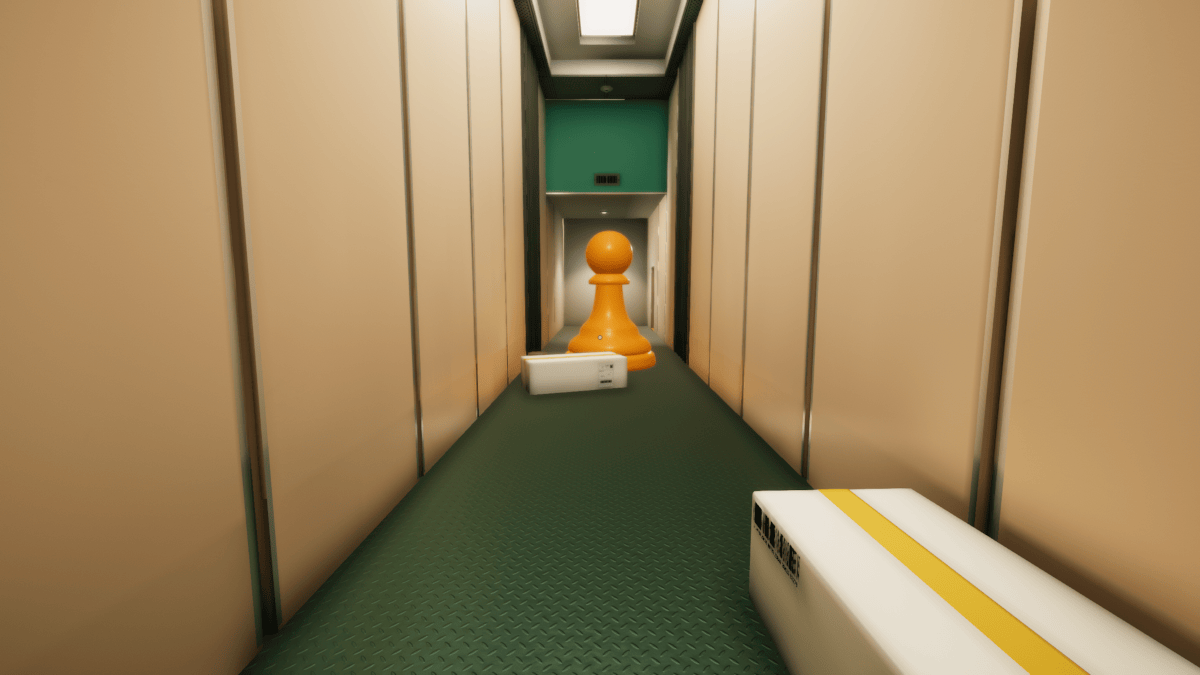
Superliminal was not the first puzzle game to use “liminal” spaces as backdrops, but it is credited with being one of the first modern, forced-perspective puzzle games. It plays out like a dream, quite literally, as in it, players are participants in some sort of dream therapy study. The game is broken up into several chapters, each with various levels, that have the player manipulating objects in different ways to progress. Throughout the game, phrasing about how “perception is reality” pops up frequently, as it drives the game’s mechanics. Need to get to a high ledge? Pick up, move, and enlarge a nearby block to make a step. Need to make a door? Grab a nearby picture that shows a “way out” and manipulate it on an empty wall. Need to open a door without any visible way to hold down a nearby button that opens it? Aim one’s sights on a far-away object so that it appears to sit on said button. It’s a little hard to put into words just how Superliminal works, but what it does, it does extremely well and in an incredibly compelling way.
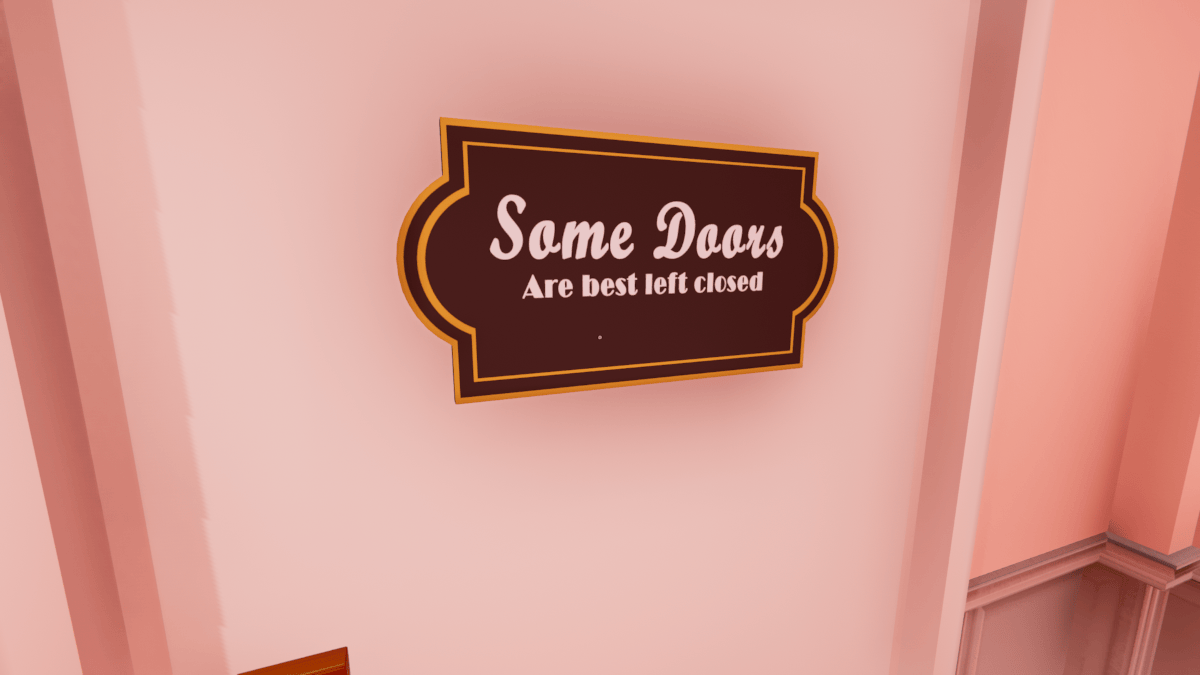
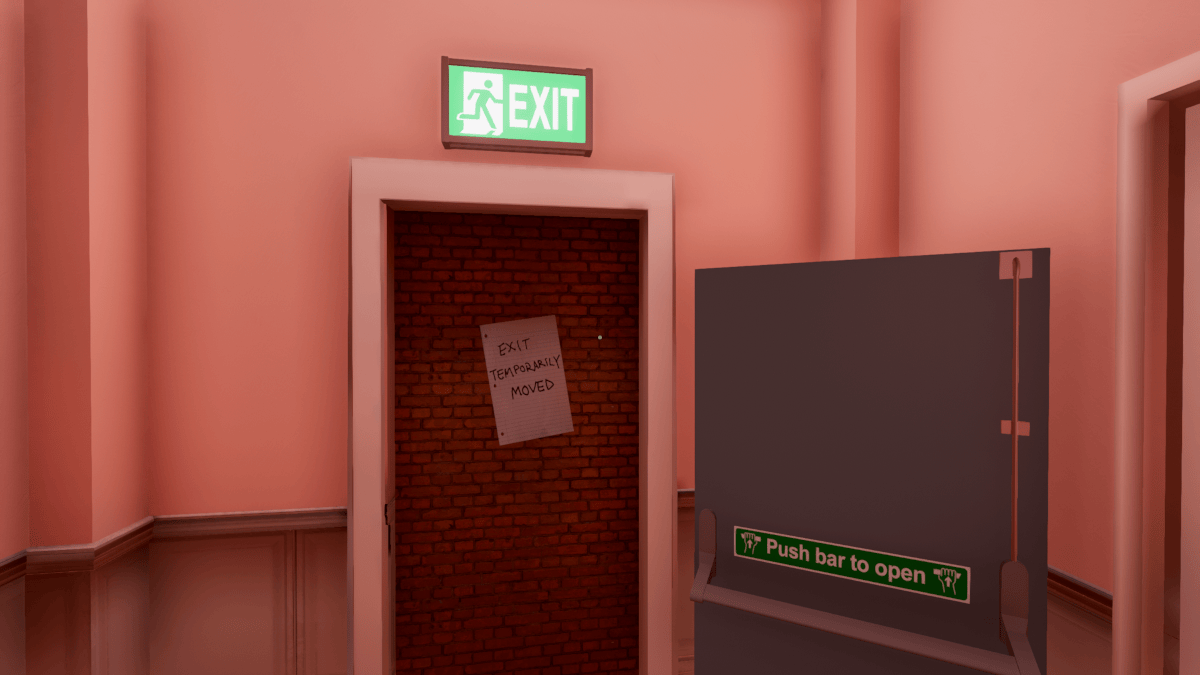
Besides its puzzles, Superliminal defines “liminal” in the best way. There’s no combat, and nothing about the game is outright scary. However, similarly to Portal, its world is just a little…off. Well, more than a little in some spaces, but it feels both normal and abnormal at once. Never mind using cheese wedges as ramps and clocks as stairs, Superliminal presents itself very much as a dreamscape where one’s surroundings appear completely mundane until one begins moving and trying to find a way out. Players are completely alone in their journey, save for an automated voice that pops up every now and again, along with recordings from one of the dream therapists. There are certain points in the game where that loneliness feels elevated and even fearful, but the motivation to “wake up” is paramount, and the game never lets players forget that they are, in fact, dreaming. It’s oddly calming at times, even when confusion abounds.
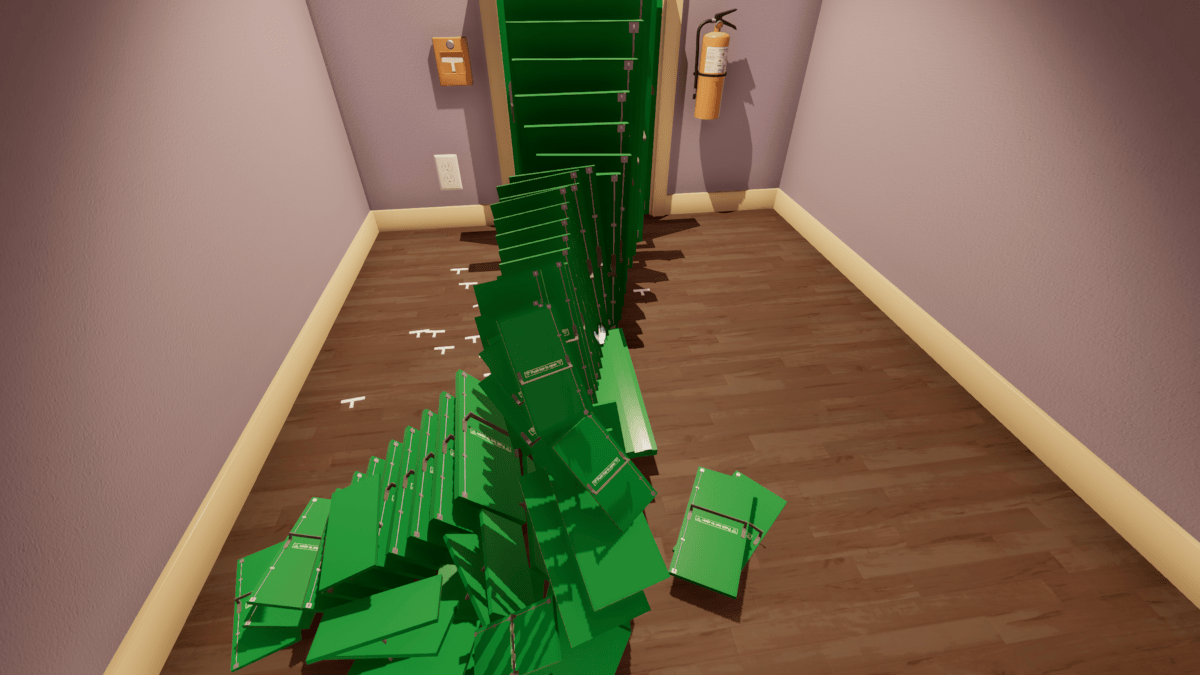
Speaking of which, I did become terribly stuck in a couple of Superliminal’s puzzles. Embarrassingly, the first time occurred almost at the start of the game! As Superliminal avoids hand-holding, I really didn’t understand how to progress initially. I’m sure the clues were there and I just missed them, as my penchant for missing such remains a fatal flaw, but I ended up looking for help. I quickly got on track once I understood the game’s mechanics. Moving forward, I had to constantly remind myself of the game’s core tenant: “perception is reality,” lest I get stuck again. Though, as I said, it did happen again later in the game with one very perplexing puzzle that was all about perspective. Yeah, I needed to seek a little help to progress, and ultimately, I was overthinking the solution. The key to the game, and any puzzle game, really, is that the solution is always the simplest one. This doesn’t mean that any given puzzle in Superliminal is “simple,” only that each level has all the tools one needs to progress, it’s just a matter of finding them, or obtaining the right point of view.
As I consider Superliminal, I’m actually little hard-pressed to come up with better, similar puzzle games than it. Viewfinder fits the bill, certainly, only without the uncanny liminal aspect. Solitary puzzlers like Myst or The Witness come to mind, but they don’t have quite the same level of eeriness. Worlds-within-worlds game like Cocoon or Monument Valley are kin but not close. Superliminal rests on its own as a striking, excellent, and compelling puzzle game that make players question reality until its very end. If that route sounds enjoyable, then I highly recommend diving into its strange world post haste. For Game Pass subscribers, it’s leaving the service on September 15th, but it’s readily available for purchase on PC and console.
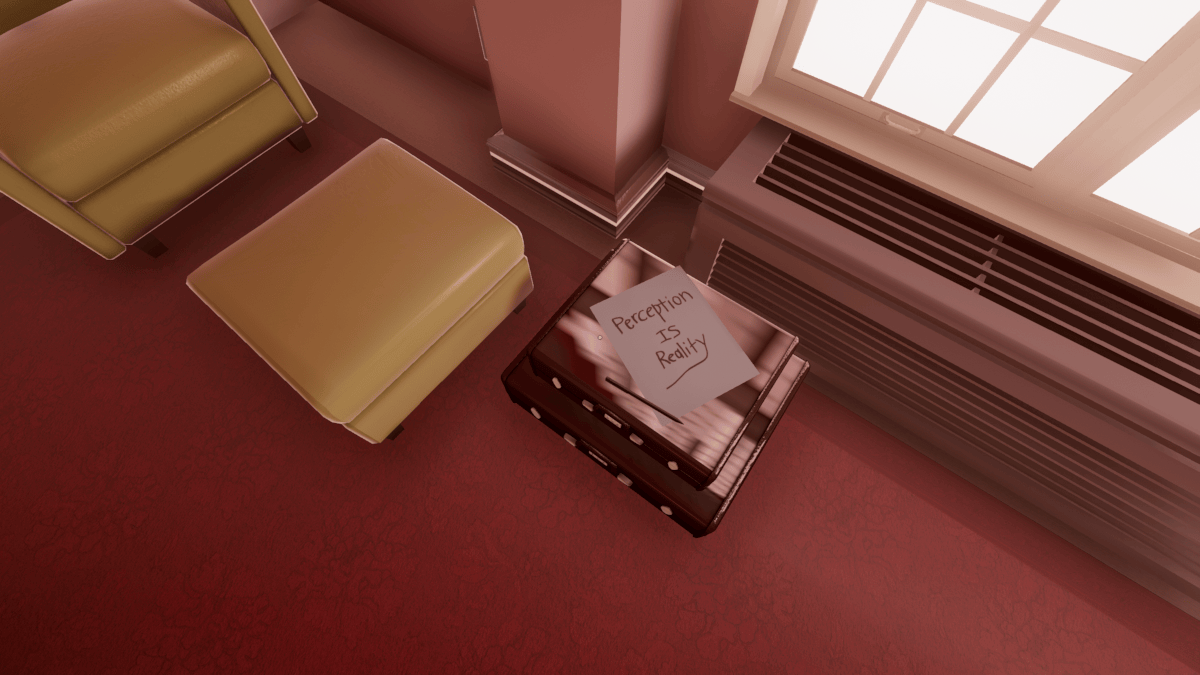
All images, including lede, were captured by author during Xbox gameplay of Superliminal (© Pillow Castle Games.)