After completing The Elder Scrolls IV: Obivion’s main story, my first thought was that I wished I had played this game before its sequel, the fifth Elder Scrolls title, Skyrim. This notion was quickly followed by memories of how poorly I got along with Skyrim when I first attempted playing back in 2012. Everything about it was jarring and uncomfortable. After a couple of years and lots of breaks, I completed its main story and only recall feeling apathetic with how my dragonborn’s story turned out. With Oblivion under my belt now, I can’t help but wonder if my first try with Skyrim would have…better? Quicker? Different?
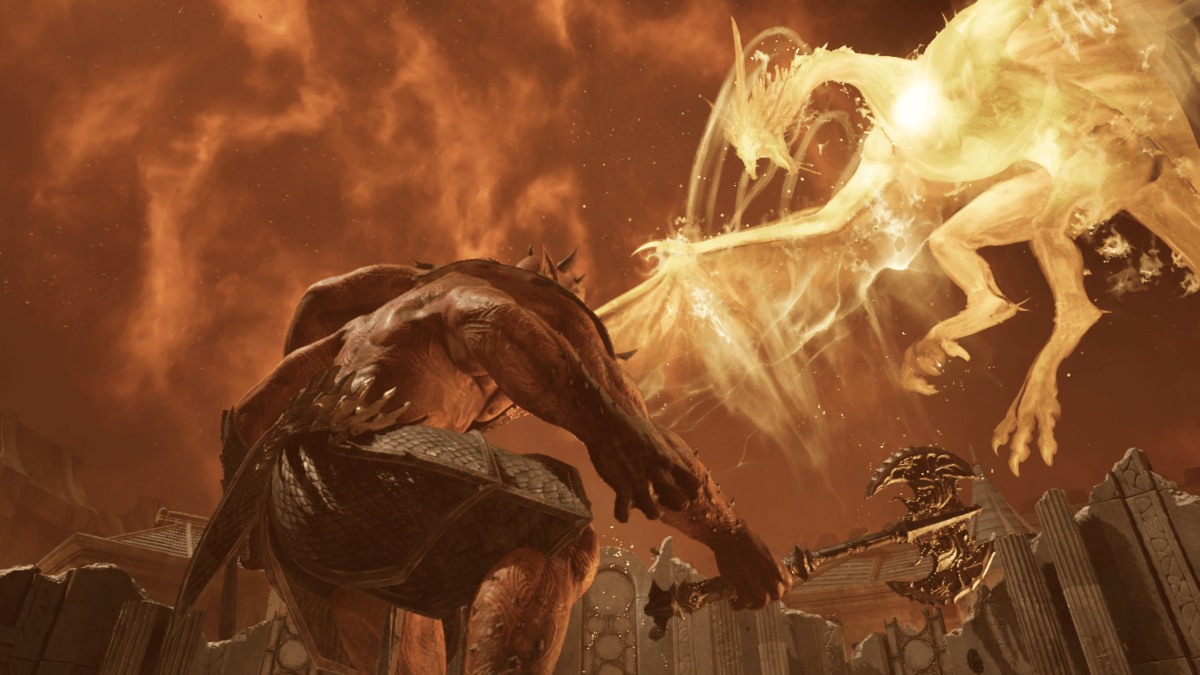
Whatever the case might be, this isn’t a post comparing the two games. I’m sure that’s been done plenty, and with TES fans’ sights planted on the sixth game, doing so now seems superfluous. But I will offer that I enjoyed Oblivion’s story much more than that of Skyrim. It may have been because it was a smaller, tighter story with a decently straightforward plot. After the Emperor Uriel Septim of Tamriel is assassinated, the daedric Prince Mehrunes Dagon attempts to invade the world by opening gates to his demonic plane of Oblivion. The player’s goal is to traverse the Imperial province Cyrodiil to find Septim’s heir and help him stop Dagon’s invasion by closing these gates, thereby restoring peace to the world. Pretty simple, right? Personally, I don’t know if I could sum up the plot of Skyrim as easily; and the end of Oblivion’s main story helps inform the player’s journey in Skyrim. Hindsight being 20/20, good on Bethesda for that.
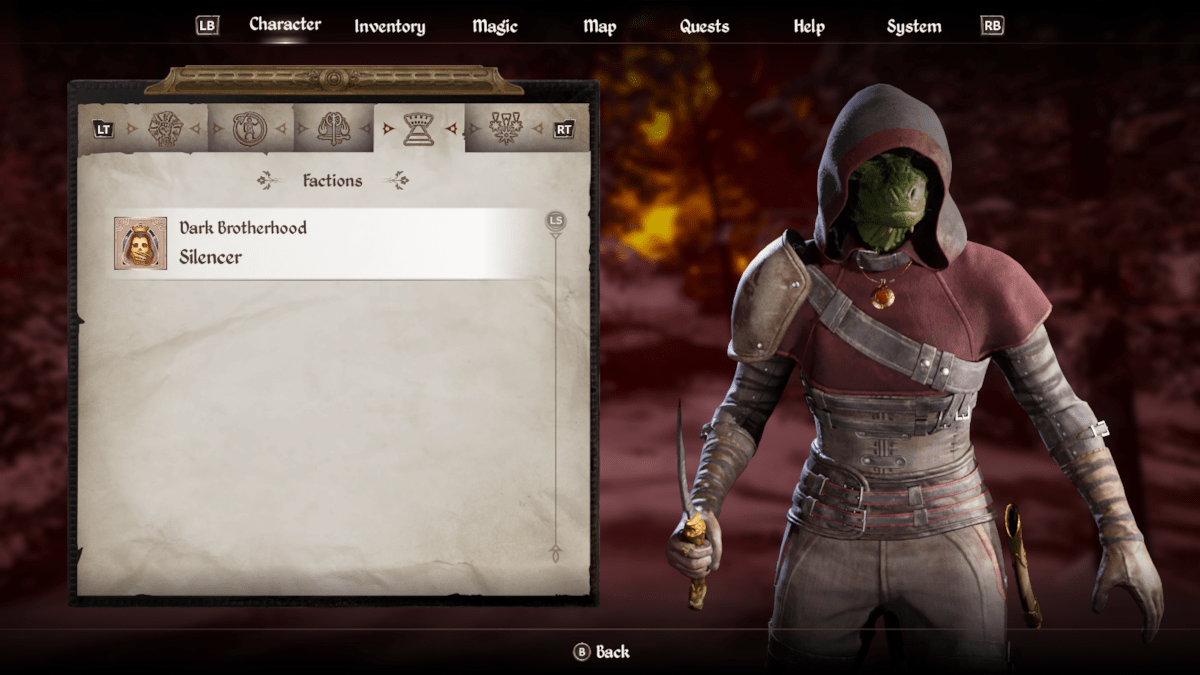
I’ve documented my fragmented time with Oblivion Remastered in a couple posts (first impressions; recent return) already, and as I said in the most recent one, coming back to it now, I really just wanted to complete the main story and its Dark Brotherhood questline. Check on both counts! I worked on the Dark Brotherhood first, which predicably involved, well…completing a bunch of elimination contracts. I had initially set up my Argonian as stealthy assassin, so putting my sneakiness to good use was very satisfying. The questline eventually reached a surprising and rather weighty twist that, surprisingly, made me question my involvement with the organization. I liked that it presented a moral dilemma just when it seemed things were on the up and up. I stayed the course though, and was rewarded with an interesting…system? I’m not sure what to call it, but upon working my way to the brotherhood’s highest rank, and I was given the option to return for weekly contracts and subsequent rewards.
This little nugget remains stuck in my head, as it makes me wonder about non-live service games of Oblivion’s era (circa 2006, when it released originally), and how many, if any offered similar incentives to keep players playing. I’ve not played any pre-Oblivion TES games, so maybe such mechanics have been part of them since the start. The jack-of-all-trades approach that’s baked into some of Bethesda’s game series is one thing – where unrestricted access to everything a game offers is favored over restricting access and forcing replays (for those so inclined). But considering that some players might wish to fully “complete” all questlines available either before or after (or, maybe, in lieu of) the main story isn’t anything new. The main obstacle to overcome is making that world and its stories interesting enough to keep players invested long after they’ve completed whatever personal game goals they’ve made. Based on the sheer popularity of TES, it seems that Bethesda has cracked that code…at least as far as TES’s universe goes.
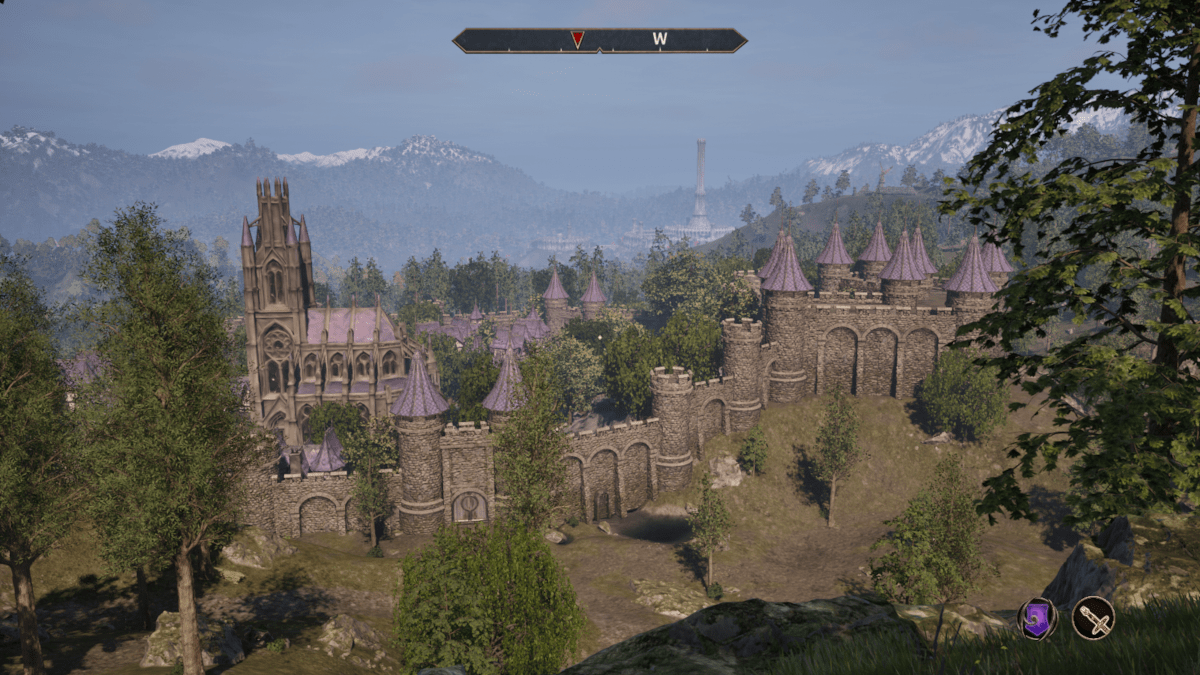
With my personal Oblivion goals complete, I can’t help but ask if I’d give it another go someday with a new hero of Cyrodiil. It’s an awfully quirky game with clumsy menus and cumbersome character interfaces. (Persistent glitches aside, Skyrim is an overall upgrade on all counts.) Further, having played a little of the original game, I’m not sure if the remaster looks “better.” That said, Cyrodiil is very pretty, and even though I came to dislike the Oblivion maps and eventually avoided their not-quite-random spawns, they served their purpose well. Well, having conquered Oblivion once, I don’t feel terribly inclined to do it again. But I am glad to have a little more TES lore and knowledge packed away for further adventures in ESO and whatever comes next.
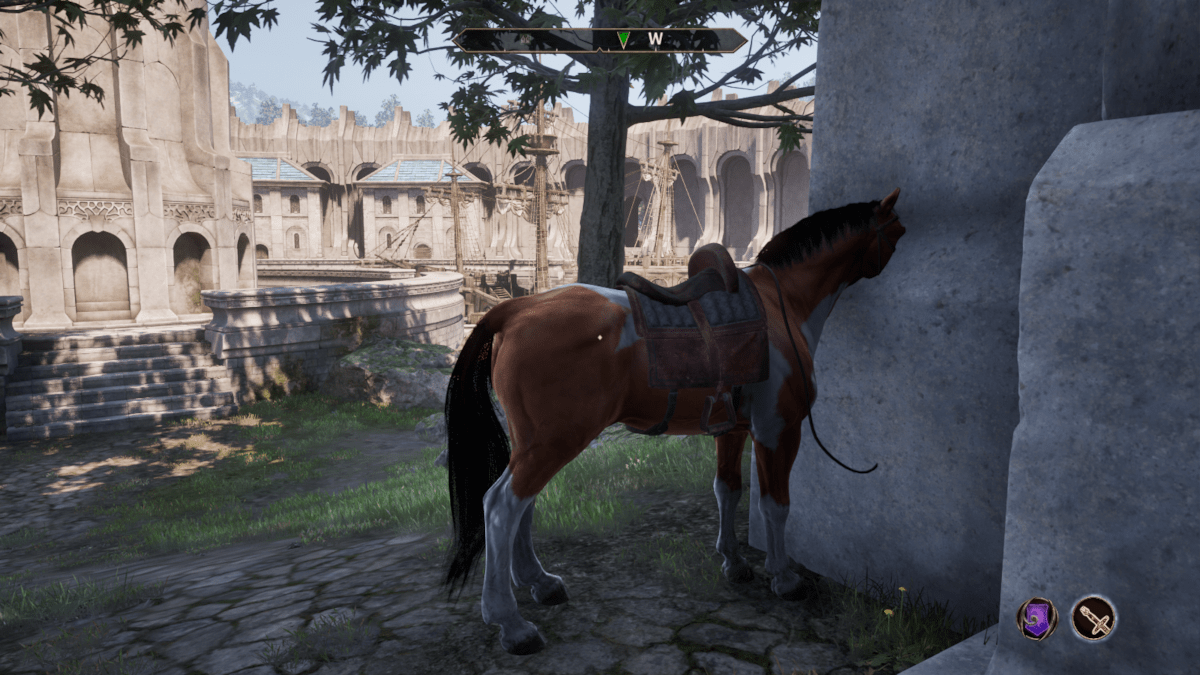
Lede image captured by author during Xbox Series S gameplay of The Elder Scrolls IV: Oblivion Remastered (© Virtuos, Bethesda Game Studios).