I’m not one for tracking gaming achievements, but I can’t help but take notice whenever I garner one of Xbox’s diamond achievements. Believe me when I say I’m not bragging, because I rarely see these rare achievements myself, but when two popped up in a row upon completing a couple of Starfield’s faction quests, I had to take a closer look. The markers were correct in noting that less than 10% of the game’s owners had completed these particular quests. This prompted me to look at the other Starfield achievements I had also garnered, which revealed something even more surprising: in all cases of story-related achievements I had gained, less than 20% of players had completed any of them. I know Starfield has not been Bethesda’s biggest seller, but it’s secured a decent amount of traction since release and has a slew of content creators featuring its wares. So what gives? I’ll admit that I’ve not yet seen through the game’s actual main story, but why are so few players playing any of its stories, generally?

Starfield is a big game that offers players loads of things to do outside of it primary storylines. Most notably, it provides a veritable universe to explore, boasting “1,000 planets” and all that. Sure, many of them are empty, but still, they are places to go, and more importantly, they could be places to build. Much like with the overt popularity of C.A.M.P.-building in Fallout 76, outpost building in Starfield has become its own popular niche. (This is the case in my own household, whereby my other half couldn’t care less about helping Constellation when there are so many resources to mine for all his outposts.)
Random exploration can also lead to seemingly infinite sidequests, and sometimes remarkable ones, at that. Like one that I stumbled across involving what was essentially a ship setup like a Fallout vault in space, with it housing residents over the course of a couple centuries. Its present contingent of folks, however, finally needed to set up shop on a particular planet, only to find that its space had been taken. Could my explorer broker some sort of land deal or chase off the so-called “intruders?” I became surprisingly invested during this short quest in helping these not-vault dwellers find a proper home, and I felt quite satisfied in helping to solve their plight.
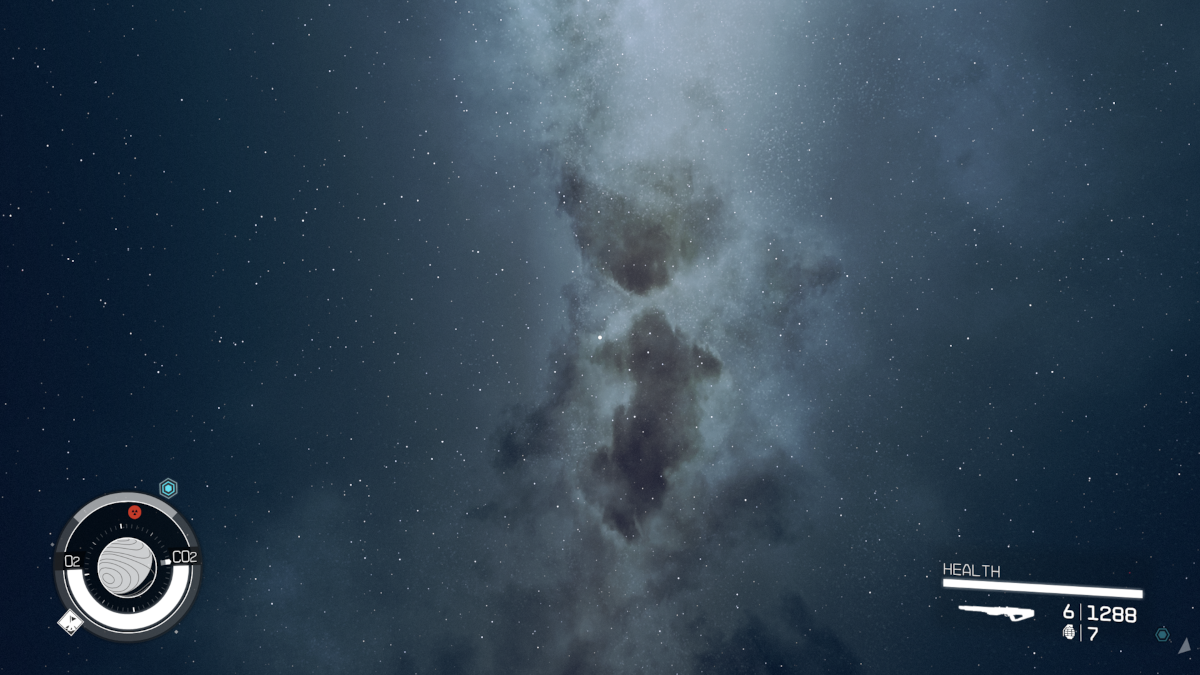
And therein lies a possible key to players skipping Starfield’s main stories. Because, y’know where it stumbles in its “satisfaction” factor? Yep, the main quests…the very lengthy main quests. And it’s not because of the content, though opinions will certainly vary – the game offers some incredible stories – it’s about having that really good story content unfold in a really bad way.
Starfield is certainly not the only game that suffers from quest fatigue. My own library is filled with titles that strain player-quest relations, from Final Fantasy XIV to Red Dead Redemption II. But what really sets Starfield apart is that the situation is exacerbated thanks to the game’s tedious approach to travel, specifically fast travel, which has has one of the game’s most unpleasant mechanics since day one. The recent inclusion of better maps has helped this matter slightly when you’re somewhere on foot, but interplanetary fast travel remains terrible, requiring several steps to manage: open planet map, then open galaxy map, then find the system you want to go to, then open that system’s map, then find the planet you need to go to, then open that planet’s map, then find the specific location you need, then land. Oh, but you need to have found the system first in order for this to work. If you haven’t, then you need to jump to the system first to “discover” it, and then proceed to your destination from there. Oh, but also make sure you have a ship that can make the jump, otherwise, you need to jump between known systems before you can make it where you need to go.

Yeesh.
As I mentioned before, Starfield’s main quests are long with many “stops” along the way. They often require players to travel back and forth in short succession between different systems. This means that you might only spend a few minutes on one planet before needing to jump to another, and then another, and then another. Once you add in all the steps needed to get to just one destination, the monotony of sets in. The need for some of satisfying resolution, let alone quests rewards, falls by the waist side in favor of begging for the story to simply end. The lengthy process also impedes memory; step one in one of these quests is completely forgotten by step twenty, and by then, the story doesn’t much matter anyway. Which is sad, because I know I’ve played through some memorable moments…I just can’t remember any of them.
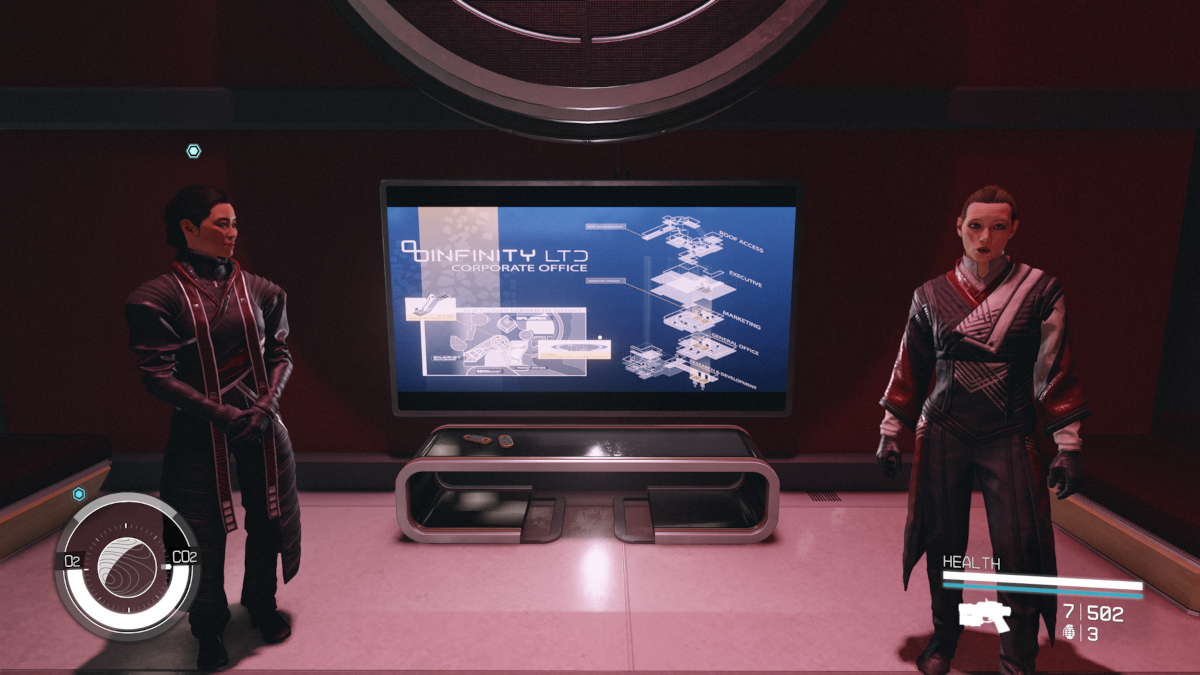
Starfield’s still a young game – one that’s still replete with issues — so it makes sense that some portion of the player base would ignore its main stories in favor of its many, many, many distractions. But the game’s system of travel makes me supremely grumpy, and I imagine that’s the same for others out there, maybe lots who just want to sail through the universe on their own terms. Starfield’s rigid, complex, and sometimes confusing fast travel system does not do the game any favors. I grin and bear it for the sake of some wonderful storytelling, but it’s a hard sell when there are too many bothersome mechanics in between those moments.
All images, including lede, were captured by author during Xbox Series S gameplay of Starfield (© Bethesda Game Studios).
 VIRTUAL BASTION