It’s difficult to describe the past decade in gaming in a nutshell, especially when you throw the pandemic in to the mix. For much of the decade, it seemed the industry was on a certain trajectory, which unexpectedly shot off into the stratosphere and is now just normalizing. If there’s anything good to say about those “lost years” it’s that the gaming community then became a little less divided. Now, in choosing my top five most important gaming stories/controversies, etc. of 2013-2023, there’s no “before” and “after,” but I admit to leaning heavily into the “before”-times, because it feels like we’re still wringing out of the “after”-times. So let’s get into it, shall we?
GamerGate
Out the gate (no pun intended) with a big one, eh? Despite the bad taste this brings up, it may be the single most important cultural event in gaming…ever? I say that because it was drawn out of more than just video games, and it deals with issues that continue to permeate our social fabric today. And look, there’s no way I’m going to get into the nitty-gritty of GamerGate in just a paragraph or two, but suffice to say, it was one part of an expansive cultural war over diversity and inclusion that had been brewing and outwardly took off circa 2014/2015. In here, we can pin the rise of extremists on social media, harassment campaigns, and broader movements like Me Too and Black Lives Matter.
The fact is, video games have become forms of artistic expression and value, outlets for representation and messaging, and vast playgrounds of social experimentation. The evolution and elevation is thanks to us, the players, even the ones who to decry the industry for being too right or too left, too woke or too uninspired, too greedy or too generous. My biggest takeaway from GamerGate is that the conversation is far from over; and that only when the conversation truly stops will the industry truly die.
Rise of Independent AAA Studios
It’s commonly held that AAA gaming began, so to speak, with Square Enix’s 1997 release, Final Fantasy VII. Since then, the gaming community has come to accept and expect AAA titles from the industry’s largest studios, which include Sony and Nintendo, along with the likes of EA, Rockstar, Bethesda, and Ubisoft. These companies are able to employ hundreds, if not thousands of game developers to produce their games of a certain quality. And as we’ve seen the recent news, ‘the bigger they are, the harder the fall,” still applies, as does the more recent phrasing of “too big to fail.” Well, the jury’s still out on, oh, I don’t know, *cough* Starfield *cough*, but I digress.
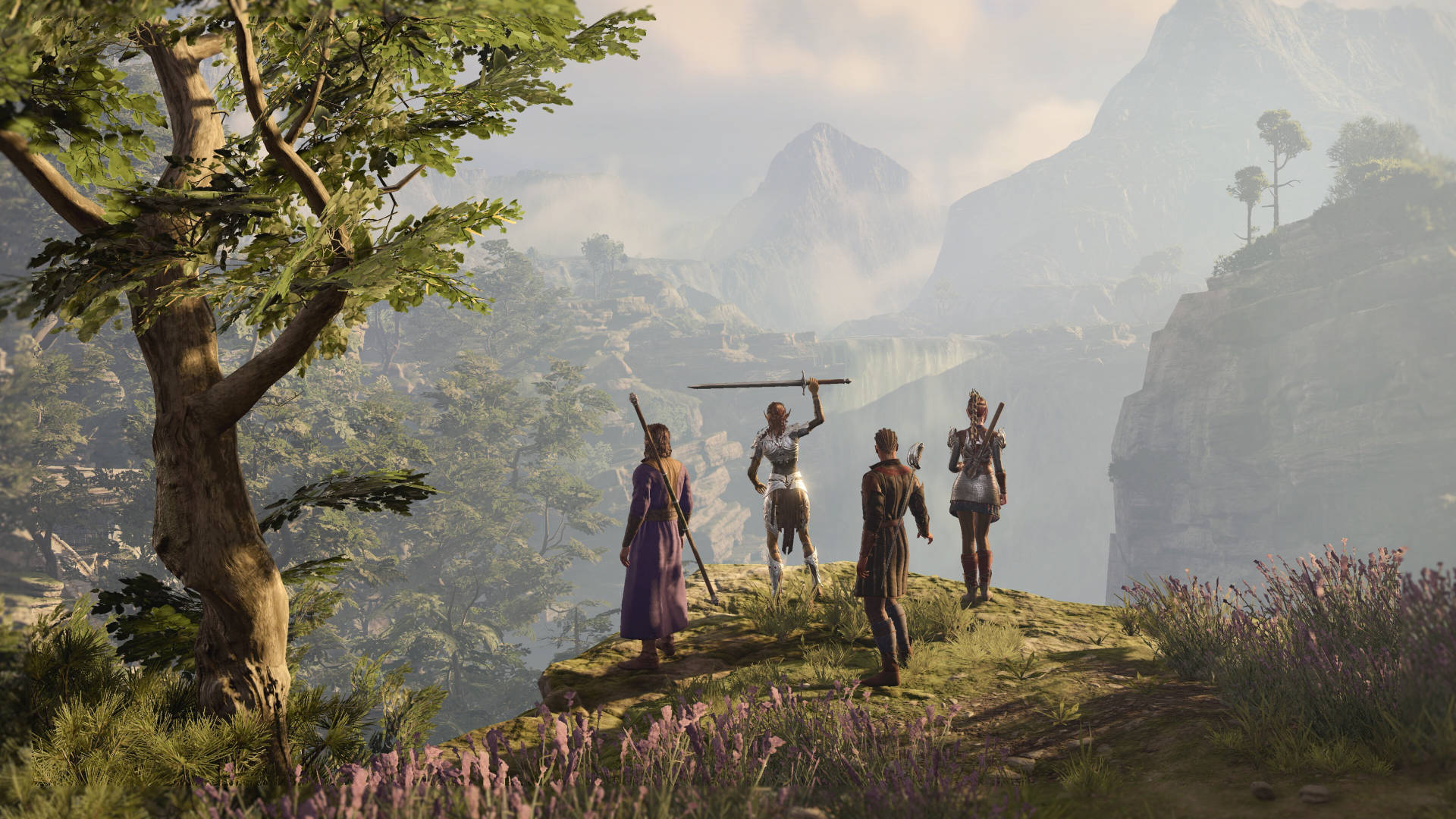
One thing we have seen over the past decade in gaming is AAA-quality games coming out studios that don’t have parent companies. Places like Larian Studios, CD Projekt RED, and Kojima Productions. Without the “weight” of corporation, these studios thrive on their singular visions. Inasmuch is small independent studios have come to dominate a good portion of the gaming landscape; these large companies with their own missions are not without their merit. Moreover, it only seems that we may likely see more large studios like them form over the next decade, bringing to players AAA games unburdened from hierarchical corporate ladders.
Increase in Early Access Titles
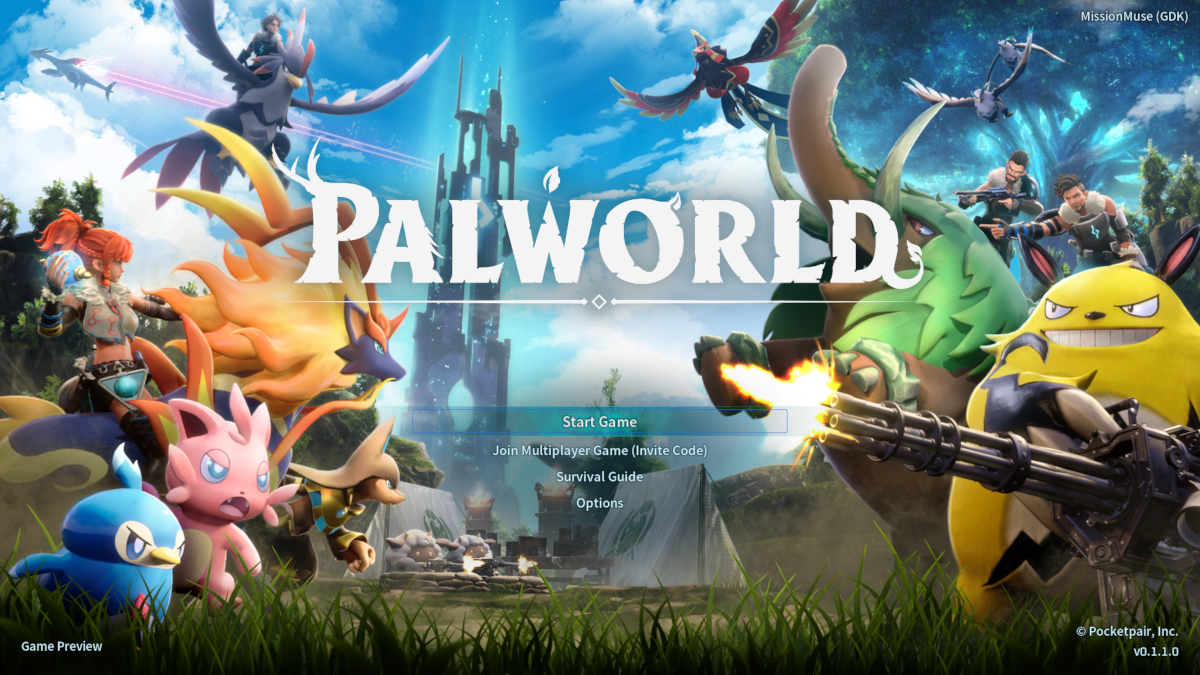
As with my softening opinion on DLC, my ire over early access titles is no longer as potent as it once was. There was certainly a time in the not-too-distant past when I couldn’t imagine playing any game that was not truly finished. Now, I’m jumping into them along with everyone else, for better or worse. Admittedly, a number of those particular titles I’m playing through Game Pass, so though my wallet isn’t stung by shelling out money for individual title, I am nonetheless paying for Game Pass. So…jokes on me, maybe.
The point is, pre-2013, it would have been a little difficult to make a robust list of early access titles, plentiful though they may have been. Nowadays, “early access” is practically its own genre. On one hand, the positive one, early access allows developers to get games in players’ hands early, and then they continue to construct the game according to different kinds of feedback. The result is that version 1.0 of said game is as “perfect” as the devs can make it. Or, something like that. On the other hand, the negative one, early access has nearly normalized the “make it better later” mentality. That it’s okay for developers to release a broken or incomplete game into early access because they will make it better later. Either way, the practice is doesn’t appear to be on its way out any time soon.
Xbox One Reveal

With this point, I had initially thought to compare the PS4 and Xbox one reveals/launches, but, the reveal of the PS4 is almost forgettable when compared to the memorably disastrous reveal of the Xbox One. Not only did it affect the launch of the console itself, but it also effectively altered the course of the PS4/Xbox One generation. Big words? Well, do you not recall the how the Xbox One was touted as an one-stop shop for all things entertainment? How video games took a backseat to using the device for watching streaming sports and movies?? And then how Sony responded with not-so-subtle jabs about how the PlayStation 4 could be used for media, too, but that video gaming remained at its heart and soul??? Time may heal all wounds, but I haven’t forgotten!
The backpedaling on Microsoft’s part to appeal to Xbox fans is what’s still rippling in today’s waters. In retrospect, the strategy used by Microsoft to place the Xbox One as a general purpose entertainment device may have represented a small step in what we now see as machinations to end the “console wars,” and, imagine this, it also may be why we have Game Pass. Picture a world where everyone adored the Xbox One as a multi-tasker. Suddenly everyone’s flinging their cable boxes and single-use game consoles out the windows in favor of this entertainment workhorse for the whole family. Adding a game streaming service to this magic device was likely already in the ether, but if Microsoft had been serious about the whole “general entertainment” angle, then couldn’t it follow that they’d also eye adding their own movie and TV streaming service, too? Talk about visualizing a house divided.
GTA V Makes $1 Billion in Three Days

The past decade in gaming has been marked by the released of blockbuster after blockbuster, but Grand Theft Auto V stands that tallest among them all, still. Upon its release in 2013, it became the first game to make $1 billion in sales over a single weekend – three days. By comparison, the closest the movie industry’s ever come to that was in 2019 with Avengers: Endgame, which hit the $1 billion within five days of its release. When GTA V came out, the video game industry was roughly 50 years old; the movie industry in 2019 came in around 100, give or take. Okay, so maybe it’s not totally fair to contrast the two, but GTA V’s achievement marked a turning point.
Up to the 2010s, the games industry maintained “honorable mention” alongside other “legitimate” forms of entertainment. Even though the practice of gaming had grown rapidly in the mainstream, it was still seen by “those in charge of the money” as something niche, something that didn’t and couldn’t have wide appeal. Movies based on games were jokes; merchandise was for the nerdy, geeky select few; and games themselves were for kids, and also recluses who only saw the sun when they attended cons. With money comes recognition, and when GTA V made so much of it in such a short a month of time, “those in charge of the money” absolutely took notice. The game’s presence, as we all know, certainly hasn’t died either. There are a lot of games from 2013 that are still going strong today, but had GTA V been a disappointment, the industry’s landscape would look quite different today. Now, there’s an argument to be made that says had that happened, things might actually be…better. After all, now that everyone knows gaming can make billions, everyone wants a piece of the action. Niches are rather comfortable, you know?
Lede image taken by author during PS4 gameplay of Grand Theft Auto V © Rockstar North, Rockstar Games (2013).
 VIRTUAL BASTION
Man, I remember that Xbox One press conference where they were talking about how it was gonna replace your cable box. What an absolute boondoggle.
LikeLiked by 1 person
Absolutely. It’s like every other conference kind of runs together, but that one sticks out like a sore thumb thanks to Microsoft’s tone-deaf approach with the console.
LikeLike