When we first started United We Game/Virtual Bastion, gaming was in a very different place than it is now. Many things that are commonplace now were unthinkable then, and games themselves were largely different in how they were designed. Even the way we engage with games is radically different these days, so…how did we get here? One step at a time. Some steps were bigger than others though, and I think I’ve figured out the five events (and their results) that are most responsible for video games as they are today. Read on and have a look!
The Release of the Switch and the End of Dedicated Handheld Systems

In most ways, the Nintendo Switch is an excellent and ingenious device. It’s a system capable of easily being played either at home on the TV or on the go, and it can transition between both states almost seamlessly. When it launched, it offered a kind of on-the-go experience that was a quantumn leap beyond what its immediate predecessor could do and even made mobile multiplay a reality with its detachable Joy-Con. It was another wonderfully creative innovation from Nintendo, and I’d say just about everyone who picked one up has gotten a lot of fun our of it. However, this all came with a price: the end of dedicated handheld systems.
In terms of raw power, the Switch is superior to the Game Boy, DS, and 3DS lines of devices in everyway. Its games are mainline games, and players can get full-scale experiences through it. That’s kind of the issue though. With Nintendo focusing solely on the Switch, every release from its mainline series has to be a large-scale, major entry. There’s no more need (in Nintendo’s eyes) for the spin-offs and minor entries that used to fill out the libaries of its handheld systems. As such, almost all of those spin-off series died with the 3DS and nothing has replaced them since. That simpler, more limited, but also more creative style of game is pretty much just gone now, as are all of the fun social features that only made sense on a dedicated handheld platform.
There’s still plenty to play and Nintendo is still making games, but I feel like the release of the Switch essentially killed-off an entire segment of the gaming market that was, up to that point, greatly profitable and much beloved by gamers. Yeah, there’s no going back now, but I still can’t help but wish we could.
The Launch of Fortnite and the Rise of Battle Royale
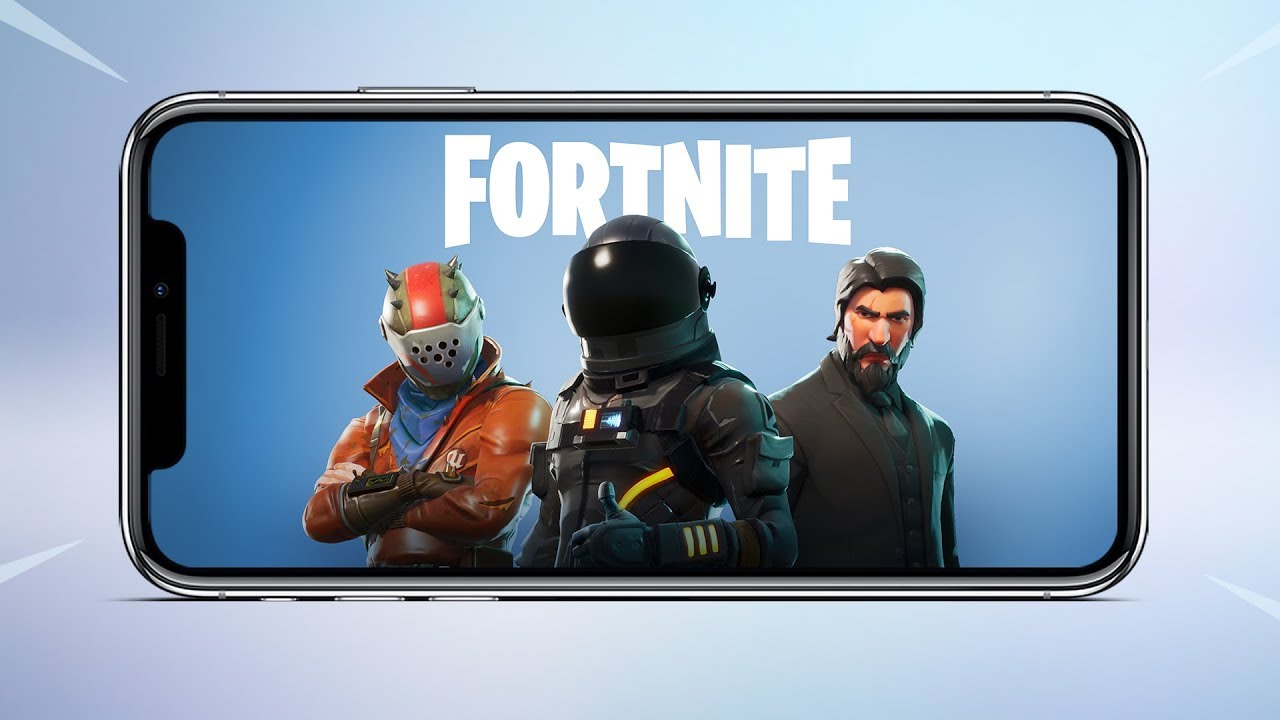
For a long time, the military FPS was, love it or hate it, the king of AAA. For years, every developer that could was trying to put out its own military shooter so as to get some of the money and audience that made Call of Duty into the monstrous blockbuster series that it still pretty much is today. Trends come and go though, and the next one to really set the video game world on fire was Fortnite, which, for better or worse (mostly worse) introduced the wider gaming audience to Battle Royale (and battle passes).
It’s very tempting to say that Fortnite almost single-handedly changed the gaming landscape. There was the usual desperate (and sometimes pathetic) scramble by developers to get their own cut of the genre of the day, but it wasn’t just that. Fortnite popularized the concepts of seasons and battle passes and introduced them to the wider gaming populace. Developers, publishers and gamers all discovered at pretty much the same time that there was a huge market out there for video game cosmetics and “forever games” to support them.
Immediately the market shifted, with raw sales figures mattering so little to a projects bottom-line that “freemium” became a mainstream business model. After all, what’s a $40-$60 price tag when there enough players out there willing to pay hundreds to thousands of dollars for skins and other cosmetics. Skins are only worth something so long as a game is relevant though, so new practices of stretching out single-player games and outright designing stuff to be never-ending (albeit shallow) developed right along with this. So, while Fortnite itself was a fun and decent game, its launch was something akin to the opening of Pandora’s Box for gaming.
The Launch of Twitch and Game Videos/Streaming
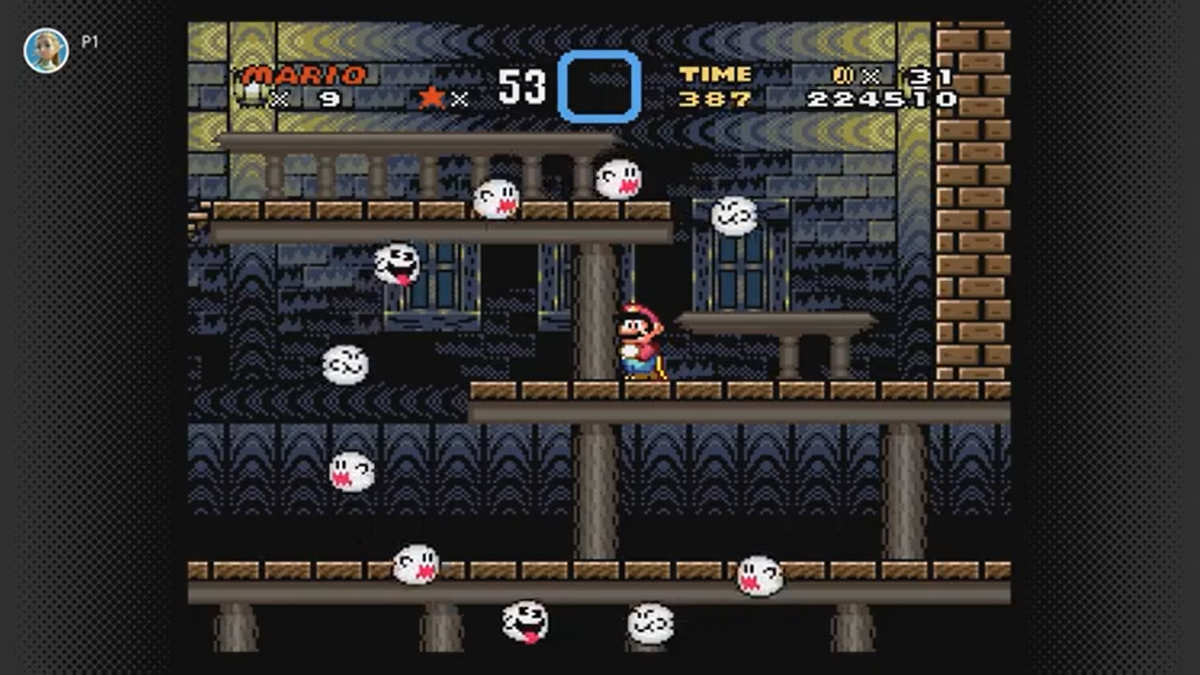
There are certainly a lot of negatives to the rise and proliferation of streaming and video creation, but it’s absolutely been a boon for video games. More than ever before, gamers now have a ton of tools by which to both find new games and judge their quality. Want to know what playing a game is actually like? You can just go on YouTube and watch someone playing it. Wanna know if a multiplayer game is actually fun with friends? Just go on Twitch and watch someone play it with their buddies live. Are you stuck somewhere or need help finding a very specific item? There are multiple videos ready to take your through it step by step.
We had the beginnings of this in the late 00’s and early 10’s, but it was absolutely nothing like how it is today. You can find videos or streams covering absoutely everything you could ever want to know about practically any game now. It’s absolutely incredible! Before this revolution in video, the best we had were video guides/reviews from major gaming publications and/or basic reviews from random YouTube users. Guides were largely still written, and even then you’d really only be able to find stuff for the more popular games.
Going even further back, in the 90’s and early 00’s, practically everything was based on gaming magazines and word of mouth. Yes there were web resources like GameFAQs and sites dedicated to specific games or series, but that was largely it. Most of what you knew about a game was either what you yourself discovered or what you heard second- or even third-hand from friends. Seriously, to have practically any and every game thorougly documented and streamed live is so much more significant than we tend to realize.
Overwatch and the Mass Adoption of Lootboxes/Microtransactions
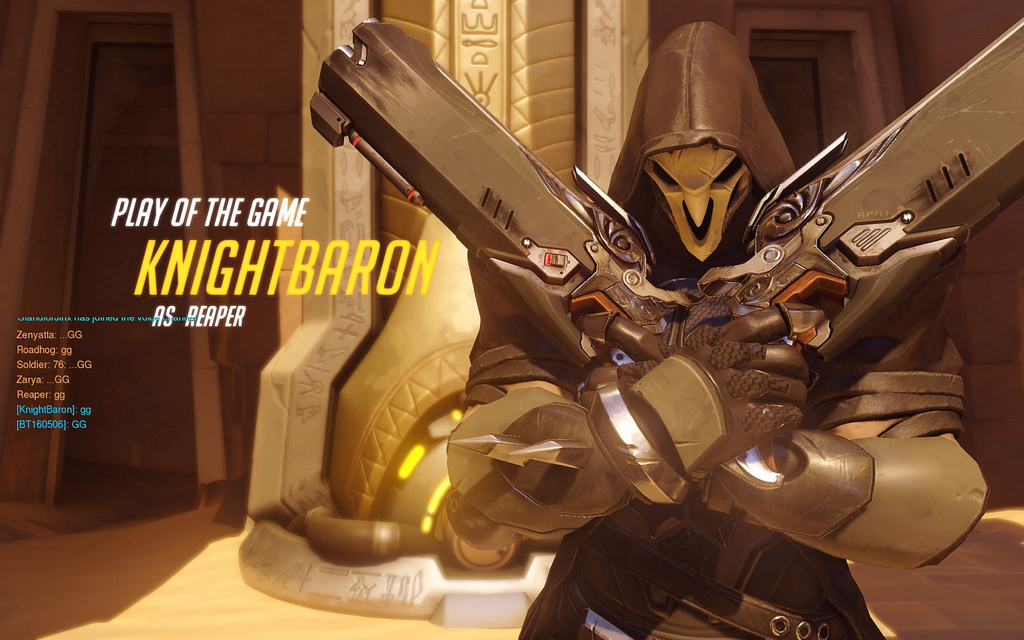
Overwatch became an instant gaming phenomenon when it launched in 2015. It seemed like everyone absolutely loved its characters, fast-paced gameplay filled with cool powers and character abilities, and its overall aesthetic. What most people didn’t love was how the game handled its rewards, i.e. random loot boxes. Loot boxes were nothing new at the time; they had been infested mobile games from the very beginning, and even CS:GO had a version of it. What set Overwatch apart though was how mainstream it was, and how it thusly took the practice mainstream.
And, of course, it was wildly successful. Players bought boxes in droves in the hopes of getting every new skin for their favorite characters. Other game makers saw this and, well, we got absolutely inundated with loot boxes from every corner for three or four years after that. Everyone wanted a piece of the pie, taking the practice so far that it finally boiled over with the massive overeach of Star Wars: Battlefront II (published by EA). For those who don’t remember, It was a $60+ game that tied progression and power directly to loot box pulls, to the point that game practically revolved around it. It wasn’t the first game to push loot boxes so hard, but it was the highest profile one.
The outrage invited government scrutiny, through which we got gems like “surprise mechanics.” Loot boxes wound up getting banned in only a few countries, but the outrage got enough mainstream attention that developers/publishers started shying away from them in favor of just straight-up selling more stuff directly through their games’ cash shops (sad that that’s now a standard feature, isn’t it?). Overwatch didn’t creat the modern AAA model, but its launch absolutely set it in motion.
Star Citizen and the Rise and Fall of Crowdfunding
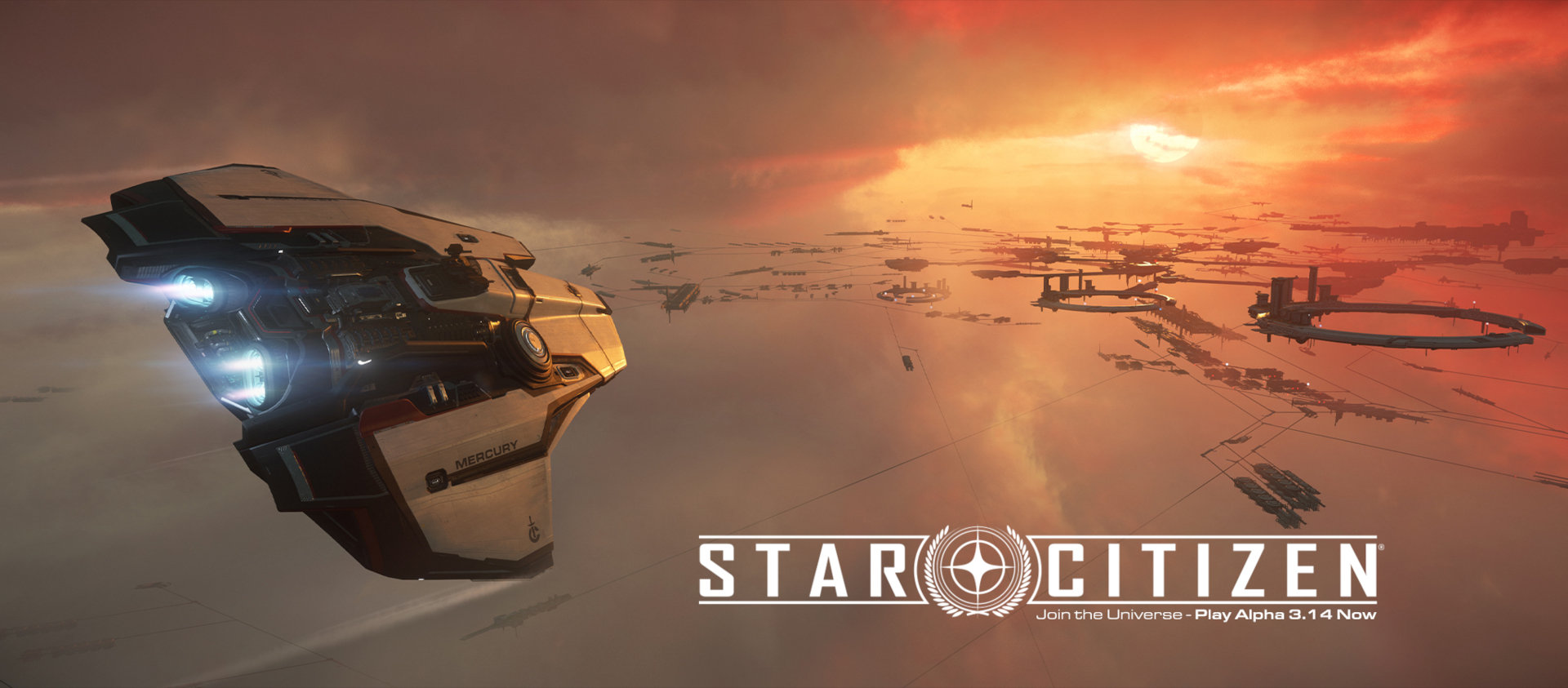
Star Citizen was one of the first big projects to come out of the crowdfunding phenomenon of the early 10’s. At the time, it was considered a safe “investment” (because that’s how people saw crowdfunding in the beginning) since it was being headed up by a real industry veteran who already apparently had an alpha (and the footage to prove it). It and a handful of other projects were what popularized the idea of crowdfunding, giving people (and gamers in particular) the idea that they could go around the big publishers and directly fund the games they most wanted to see become reality.
As we know now though, crowdfunding (aside from a handful of notable successes) turned out to be a dead-end. Too many would-be developers jumped-in with ideas that were either half-baked or with grossly insufficient experience or know-how. Even more people used it as a means to scam the naive and gullible to the tune of millions of unrecoverable dollars. These days only the foolish, the desperate and the uninformed take crowdfunding seriously…which brings us back to Star Citizen.
Star Citizen is now almost 10 years past its originally promised launch date of 2014. It’s seemingly grown in scope every year; undergone a complete engine change from CryEngine to Amazon Lumberyard; seen its developer balloon in terms of staff,
locations and overhead; has continuously had bigger and more expensive pre-order ships added to it; had entire segments of the project cancelled only to be brought back later; taken in over $644 million in crowdfunding…and is still in alpha. Portions are indeed playable (to varying degrees of polish and stability), but a whole game still hasn’t materialized.
For those that believe in it, Star Citizen will (someday) be the model of crowdfunding success, the most ambitious project to ever be made and never would have been made without the crowdfunding syste. To its detractors (of which I admit to being one), it’s the poster child of the opposite: the reason why crowdfunding is largly dead and should stay that way. It’s an image of what crowdfunding almost was, what it should have been, but isn’t: a genuinely good alternative to publishers and investors. So now, thanks to the excesses projects like Star Citizen (along with outright scams), we’re now basically stuck with the old AAA system, which itself appears to be heading headlong toward collapse.
A Lot Has Happened
These are the five most significant happenings in gaming’s last ten years or so, I think. It might be largely negative, but there are bright spots too.Thanks to AAA’s excesses and those of crowdfunding, geniune independent games are on the rise. There’s more creativity coming out of that sector than ever before, and even AA is seeing a real resurgence thanks to the utterly ridiculous cost of AAA projects and gamers’ growing rejection of them. Gaming will continue on from here, and I think in some ways it’ll be even better than before.
What do you think of all this though? What are your takes on these things? What are some important events that stand out in your mind? Let’s talk below, and then make sure to come back for our next round of anniversary content!
Image is official promo art.
 VIRTUAL BASTION